
Südzucker and Nestlé:
Teaming Up for Sustaining Tomorrow
The Südzucker Sugar Division and Nestlé have been working closely together for decades. A collaboration that has developed beyond the mere supply of sugar and sugar specialties into a partnership whose goal is to create a more sustainable future for food and agriculture.
Due to climate change, increasing societal demands and rising operational costs, farmers need to be increasingly resilient and are more and more dependent on operational and technical support and financial incentives. Farmers cannot tackle these challenges alone, particularly when it comes to implementing more sustainable practices on their farms in order to become more future-proof. Making farming more resilient to these risks, and at the same time contributing to a lower CO2e footprint from cultivation is therefore a collective responsibility involving the entire value chain.
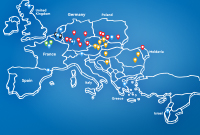
In 2020, Südzucker Sugar Division and Nestlé initiated regenerative agriculture projects across Germany (Südzucker AG & Nestlé Germany) and France (Saint Louis Sucre, part of Südzucker Sugar Division and Nestlé France), including further external partners* to jointly support regional beet farmers on their transition to more sustainable farming.
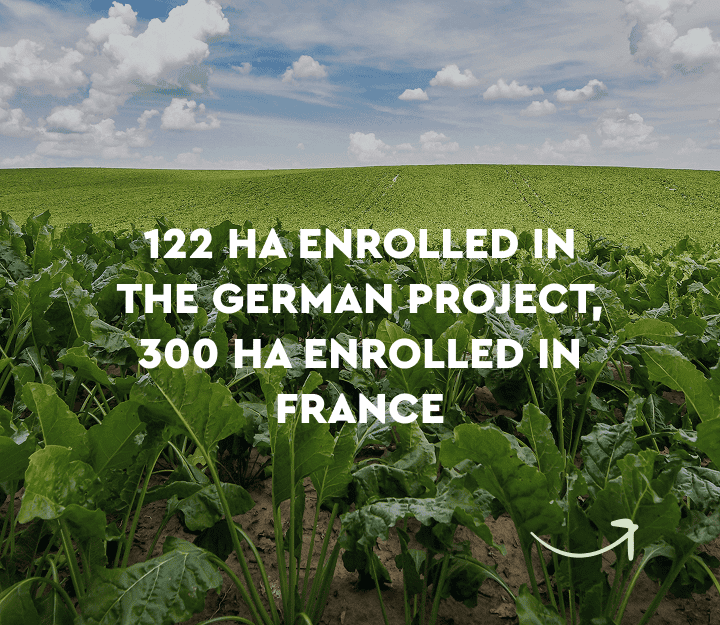
As of 2025, almost 30 beet growers have been involved in these projects across Germany (8 growers with over 122 ha beet cultivation area) and France (20 growers with about 300 ha of beet cultivation area).
Objectives - Aiming for Real Impact
This collaboration is aiming for real, measurable impact with the aim to possible scale up in the future to more farms across Germany and France.
In a nutshell, all this is being done with the aim to achieve clearly set targets:


All in all, within this project the farmers themselves evaluate the feasibility of cultivation techniques while the partners in these projects are implementing close monitoring processes to measure, report and verify the results as a basis for further strategy refinement and adaptation of measures.
Process - Following a Strategic Approach
These projects fully embrace the vision behind Südzucker’s The Connected Collective initiative: co-creation and supporting farmers in implementing regenerative cultivation methods, backed by reliable data with the aim to maintain consistent yields and improve the carbon footprint of our operations. All the while focusing on the farmers needs and context and nurturing exchange between all parties involved. It is an ‘agricultural model’ serving as a guideline and lighthouse for orientation, given that the farmers are already well-advanced and continuing to improve their techniques.
In general, to measure the impact of regenerative agriculture, we follow a four-step process to ensure traceability of improvements in climate, soil, water and biodiversity.
Context Analysis – Outcome Selection – Practice Adaptation – Progress Monitoring & Assessment
This approach has also been transferred onto this project.
From Vision to Action
With several years of progress made, the importance and significant impact of the projects can be seen already.
Geert van Aelst –
Head of Sustainability, Südzucker Sugar Division
“Supporting farmers towards more regenerative agriculture, is a joint responsibility. The collaboration with Nestlé shows that combined efforts contribute to implement a process of continuous improvement, starting from specific farmer needs.”
Philip Werkmann –
Sustainability Manager Nestlé Germany
“Future-proofing agricultural production and supply chains are essential to our business model. Thus, we must shape a more sustainable future together with our supply chain partners and farmers.”
Ughau Debreu –
Head of Sustainability, Saint Louis Sucre Raw Materials Division
“Our goal is to ensure the long-term viability of beet production in the face of climate change in our production regions. This transition is being carried out in collaboration with farmers, and our role is to support and assist them, particularly through concrete programmes.”
Maxime Magneron -
Project Manager for Regenerative Agriculture and Agroforestry Nestlé France
“Nestlé is committed to sourcing 50% of its raw materials from regenerative agriculture practices by 2030. Farmers and suppliers are key to carry out this target. Saint-Louis Sucre and farmers we work with are historical partners, strongly committed, we can count on to succeed in this journey.”
Implementation - Executing Impactful Measures
Although the stated objectives are pursued with slightly different strategies in both countries, both projects include measures that contribute to the improvement of regenerative farming methods in agriculture.
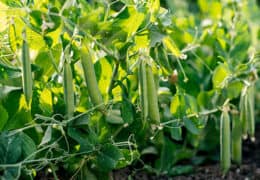
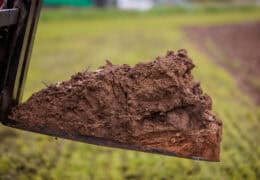
In general, farmers applied regenerative agriculture practices tailored to sugar beet cultivation, including, among others:


Results - Impactful Measures Made Tangible
Within the project of Saint Louis Sucre and Nestlé France, for example, we started with 6 Impact Areas with and 3 different levels of performance and progress that have been defined to monitor, assess and evaluate the progress made by the participating farmers:
3 of these impact areas:
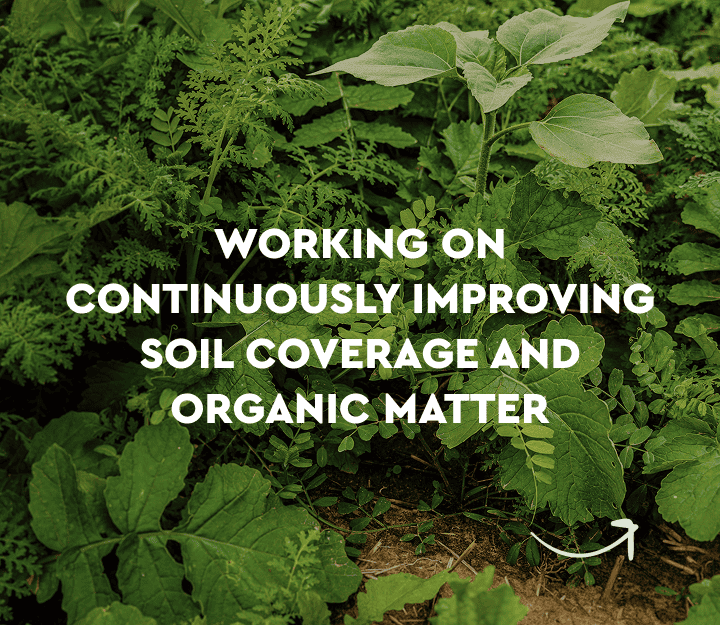
- Soil Coverage period,
- Crop diversification and
- Organic Matter evolution
These are defined with optimisation targets for each of the 3 levels of performance. The assessment is based on factual results captured each year at farm level. Depending on the maturity level achieved, Nestlé pays incentives to recognize the effort done by the farmer.
Lower Carbon Footprint Confirmed
During the time of the project, other key indicators have been added as well, such as climate and biodiversity indicators.
For data collection, Südzucker’s proprietary BGD Carbon Tool, a greenhouse gas calculator for agricultural crops has been used – a tool, which has been certified by TÜV in 2025.
In the German project, a digital platform by our external partner is used to monitor results and renumerate farmers for their progress, e.g. in emissions reductions through optimised farming practices. These realised emissions reductions are quantified and verified within the digital platform via a two-step-process:
1) internal review by our external partner’s verification team
2) external verification by TÜV Rheinland
RESULTS SO FAR
These projects have now run for a different amount of time, but both already show results:
- 122 ha enrolled in the German project, 300 ha enrolled in France
- Working on continuously improving soil coverage and organic matter
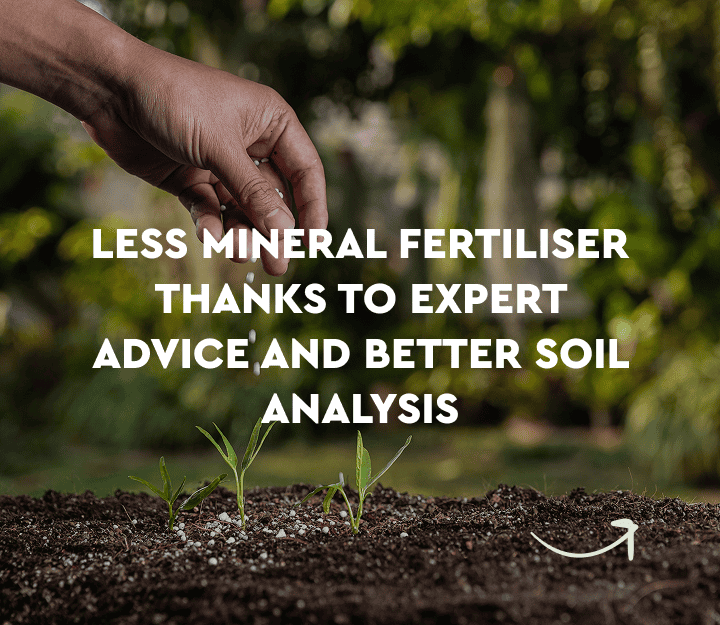
- Required less mineral fertiliser, due to advice from our agronomists
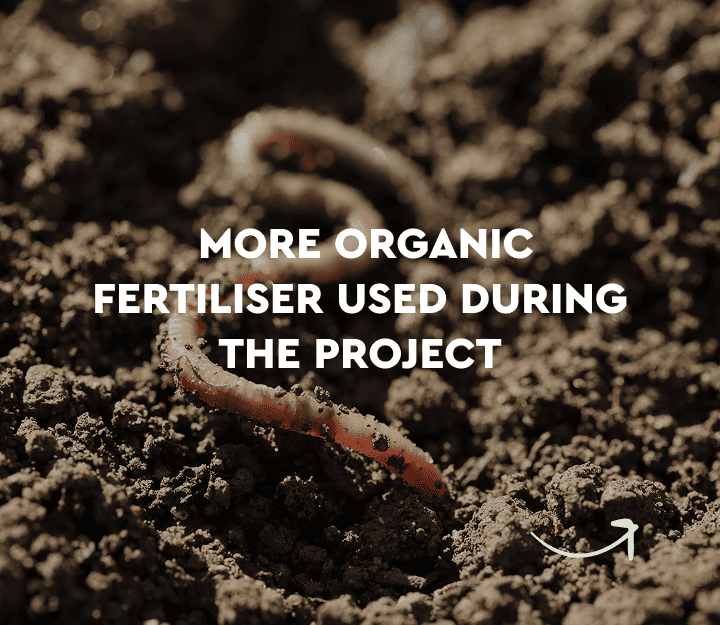
- More use of organic fertiliser
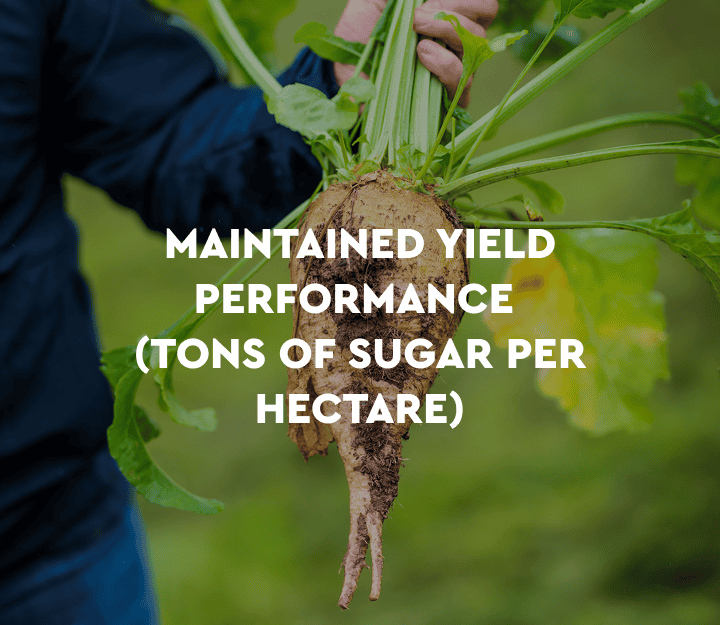
- Maintained yield performance (tons of sugar / hectare)
Ultimately first analysis also showed a lower CO2e footprint due to both farmer groups’ activities compared to primary data from other conventional methods. Calculations of the emission factor for sugar beet are done based upon the BGD Carbon Tool, a TÜV SÜD validated methodology.

Team up with Geert
Would you like to learn more about our specific sustainability commitments, goals and KPIs? Stay tuned for more publications or contact us directly:
Geert van Aelst – Head of Sustainability Südzucker Sugar Division
Partnering in
Regenerative
Farming
The Connected Collective is our initiative to support regenerative agricultural practices through collective action along the entire value chain. By combining context-specific strategies with scientific research, we aim to promote profitable, forward-thinking regional agriculture.
Team Up for Growing Tomorrow
By fostering collaboration and innovation, we ensure that you stay ahead of industry trends. Together with you, we aim to build a tomorrow that is both sustainable and profitable, empowering you to thrive in an increasingly competitive landscape by meeting the evolving needs of your customers.
Find out more about how to collaborate with Südzucker for Innovation, Exploration, Taste and Sustainability.