
The various functions
of sugar in foods
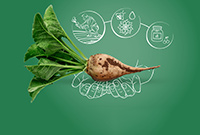
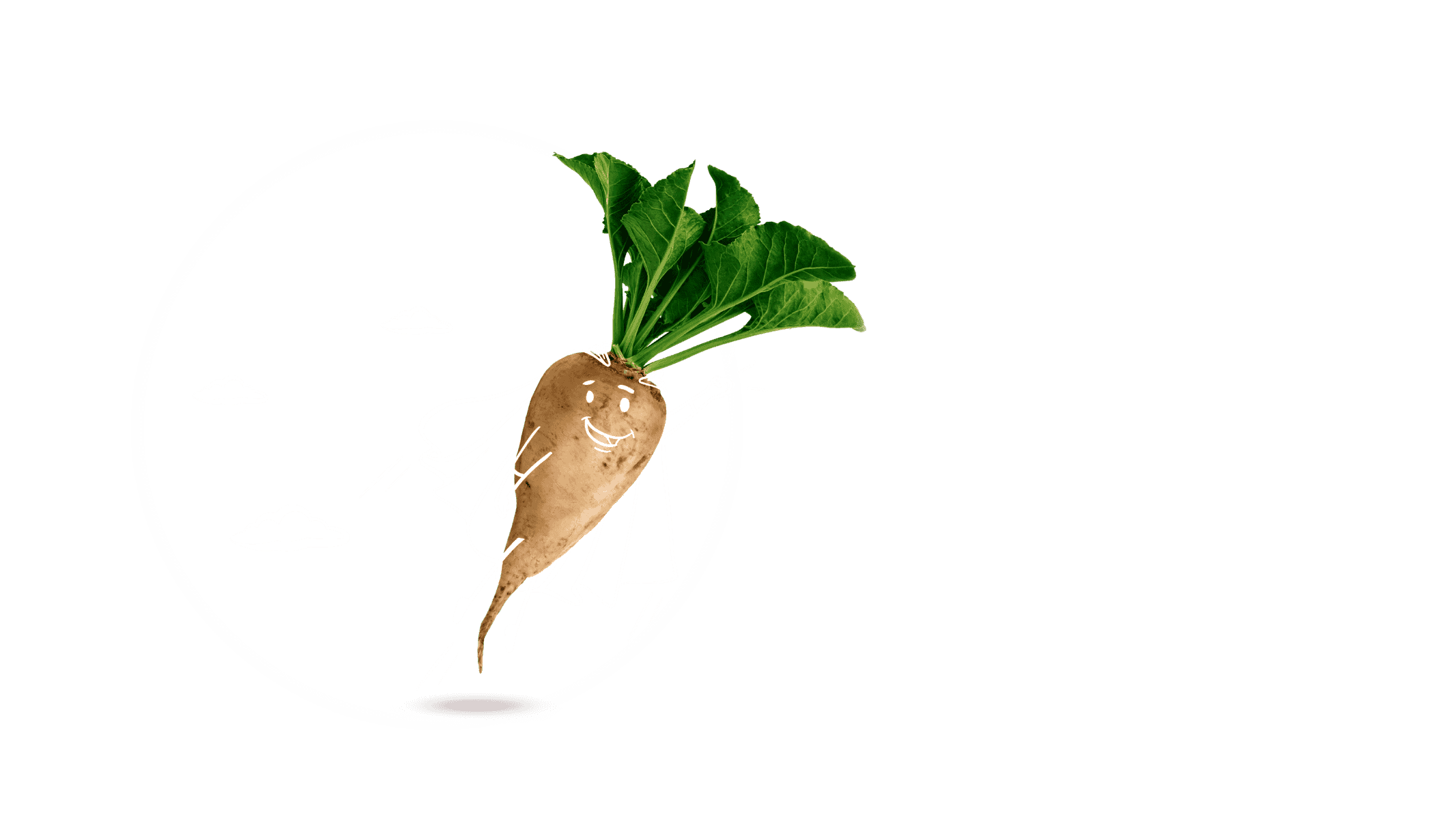
Every plant, from the smallest blade of grass to the tallest tree, produces sugar. Unlike most plants, which convert their sugar into starch, sugar beet and sugar cane store sucrose, the well-known table sugar. Sucrose is a type of sugar made up of one molecule of glucose and one molecule of fructose. It is a disaccharide, a molecule composed of two monosaccharides: glucose and fructose.
Therefore, on a molecular level, white sugar from sugar beets and cane sugar are identical and can be used in the same way for further processing end products. Since sugar cane and sugar beet produce sucrose in large quantities, they are the primary source of sugar production.
More generally, sugar, whether derived from sugar beet or sugar cane, serves a wide range of functions in foods, beverages, and non-food applications.
Sugar (sucrose) is a plant-based sweetener produced from sugar beet or cane sugar. One important difference between the two plants is: the regions and climates in which they are grown. Due to its environmental needs, sugar cane is mainly grown in tropical countries of the Southern Hemisphere. In contrast, sugar beets grow in temperate latitudes such as in Europe in the Northern Hemisphere.
THE FUNCTIONS OF SUGAR IN FOODS
In the industrial processing of finished foods or beverages, sugar contributes a range of technical functionalities. Whether it is used in baking (bread, cakes, biscuits, etc.), pastry, confectionery, drinks, or other types of manufactured products, sugar is a versatile ingredient that contributes not only to the sweetness but also to the overall taste experience of a finished food product, including, among others, the colour, texture, and taste of food as well as its physical properties.
Reducing sugar in foods is, therefore, not necessarily a straightforward affair since sugar substitutes, for example, do not automatically possess the same properties as sugar. The following properties should therefore be considered in product development or reformulation, as they also influence the consumer’s taste perception and acceptance of a food product.
Did you know? The general sensory “sweetness” property is based on sucrose as a reference point. When measuring sweetness, the sweetening power of other sweeteners is always measured in comparison with pure sugar solutions. Beet sugar sucrose was established as the reference with a value of 1 of the relative sweetness range. This must be considered, for example, when reducing sugar or replacing sugar, as other sweeteners are often much more intense.
ENERGETIC AND NUTRITIONAL
FUNCTIONS OF SUGAR
Sugar is a carbohydrate that provides 17 kJ (4 kcal) per gram. Like other carbohydrates, it contributes energy to the diet and is metabolised by the body as an energy source including during physical activity.
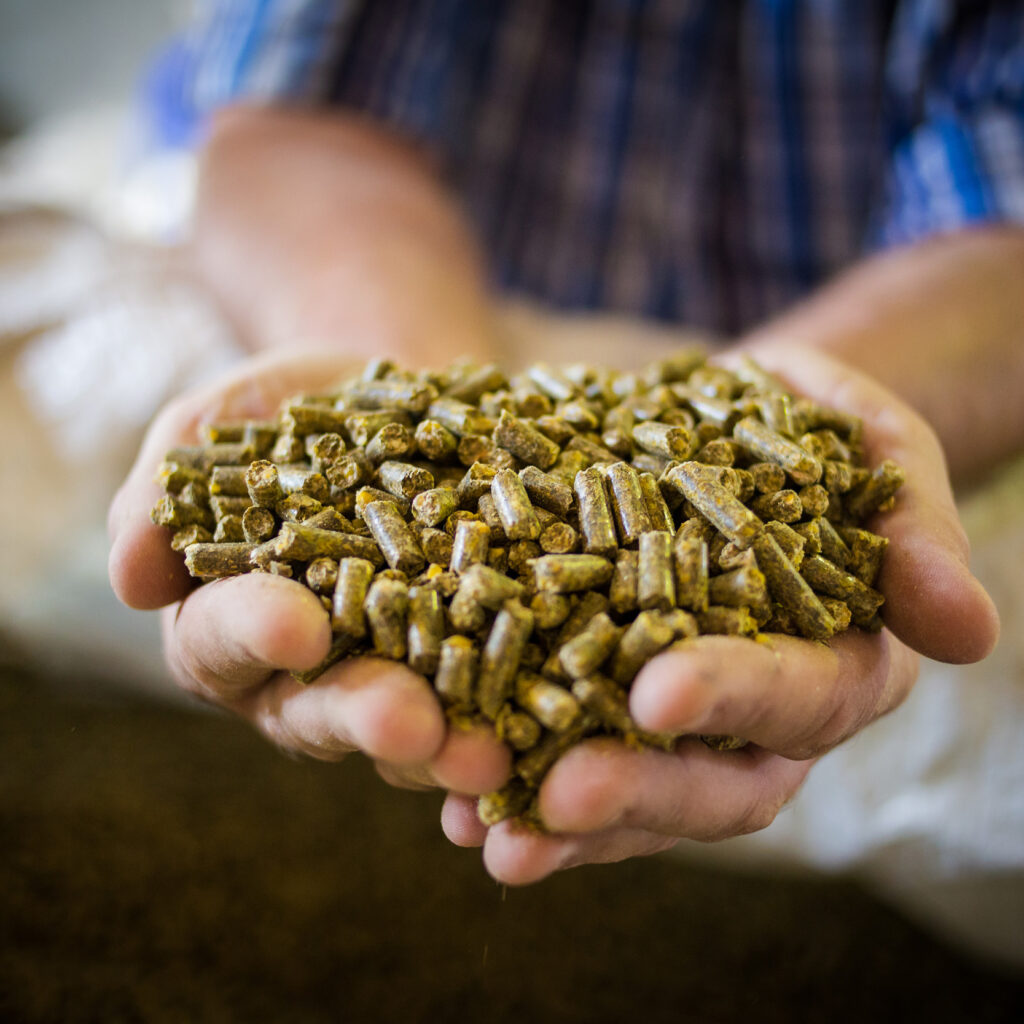
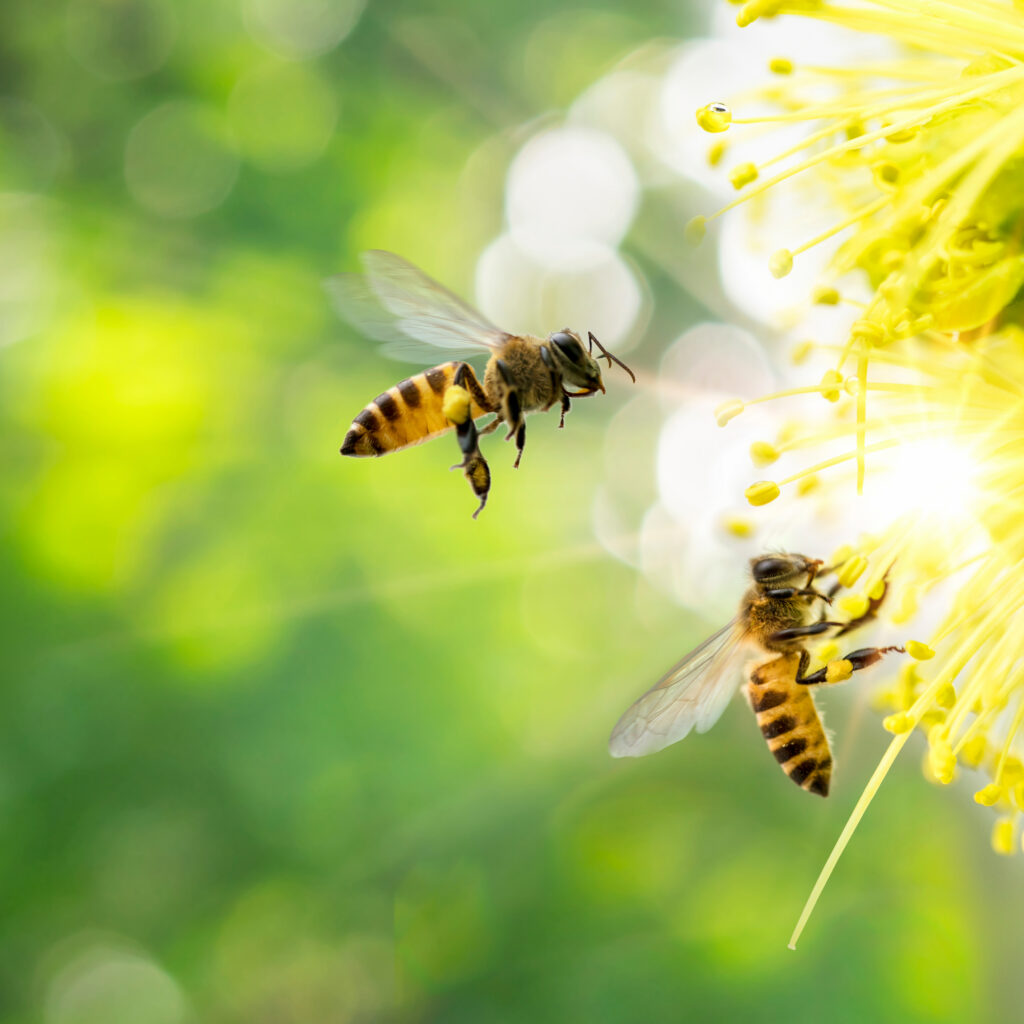
However, sugar is not only a nutrient for humans. It is a food component for animals. Honeybees, for example, are fed with certain sugary foods in winter so that the bee colonies can survive the colder months. For more information on our API bee feed in liquid and sugar paste form and visit our beefeed Page bee feed page.
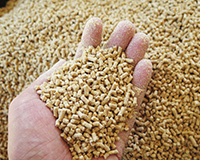
In addition, our sugar co-products are used in feed for ruminants, pigs and horses due to their nutritional properties and energy content (learn more about our animal feed).

Full Taste,
Flavour and Sweetness
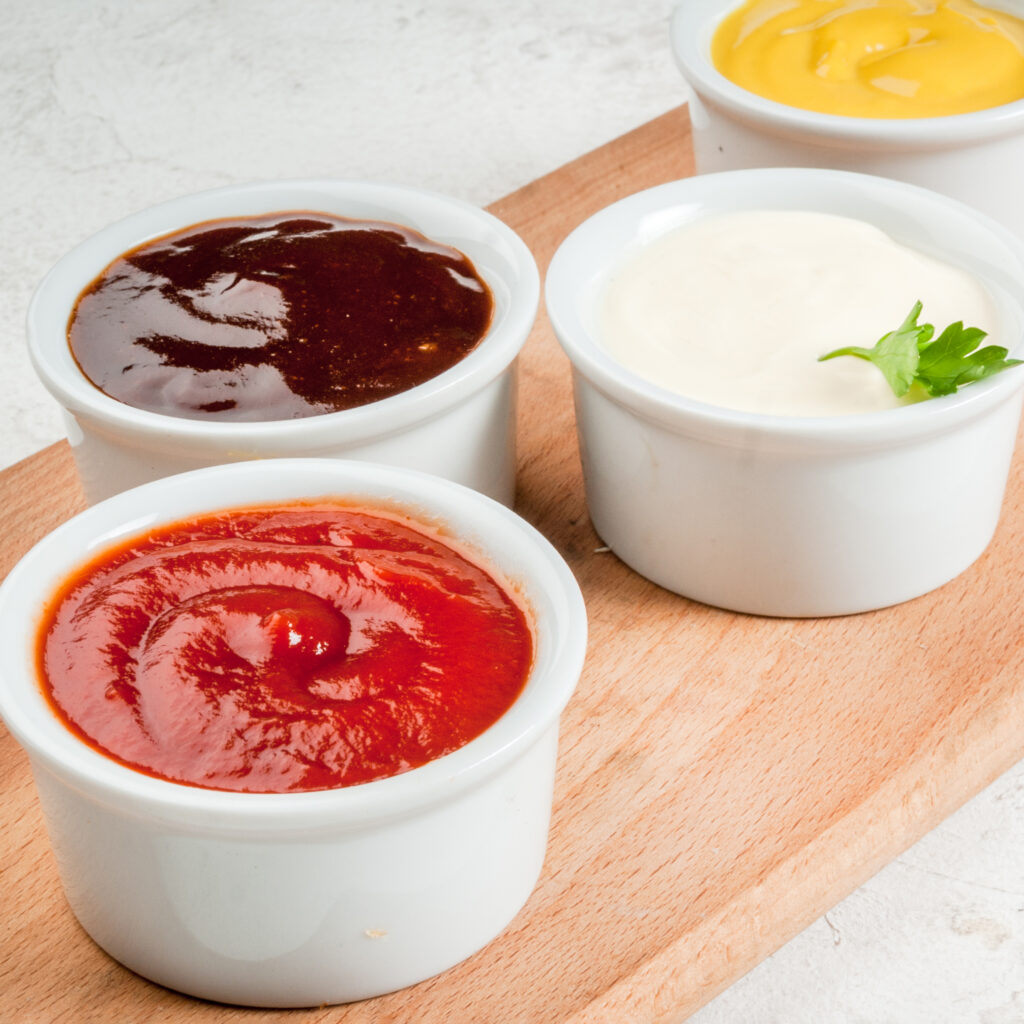
Probably one of the most well-known functions of sugar is its contribution to taste when added to food products. Sugar has a full-flavoured sweetness with no aftertaste. Moreover, it intensifies the flavour and enhances the taste of many foods. During storage, for example, it keeps the flavour of preserved fruit and soft drinks. When these products are consumed, the sugar develops or enhances their aroma by flavour transfer.
By contrast, undesirable bitter, acid, or salty taste is toned down by sugar. Therefore, it is often used as a masking agent in pharmaceutical products. In wholemeal, cocoa and coffee products or tomato and vinegar-based sauces, such as ketchup, sugar is used to balance the taste profile.
However, sugar does not only define taste or sweetness. It also promotes the development of certain flavour caracteristics:
One such example is the Maillard reaction, in which certain types of sugar react with amino acids when heated and thus contribute to the development of baking, roasting and frying flavours, e.g., in bread, coffee, meat or French fries.
By heating dry sugar, caramelisation contributes to the formation of caramel-like roasted aromas in desserts, confectionery and pastries.
COLOURING
PROPERTIES OF SUGAR
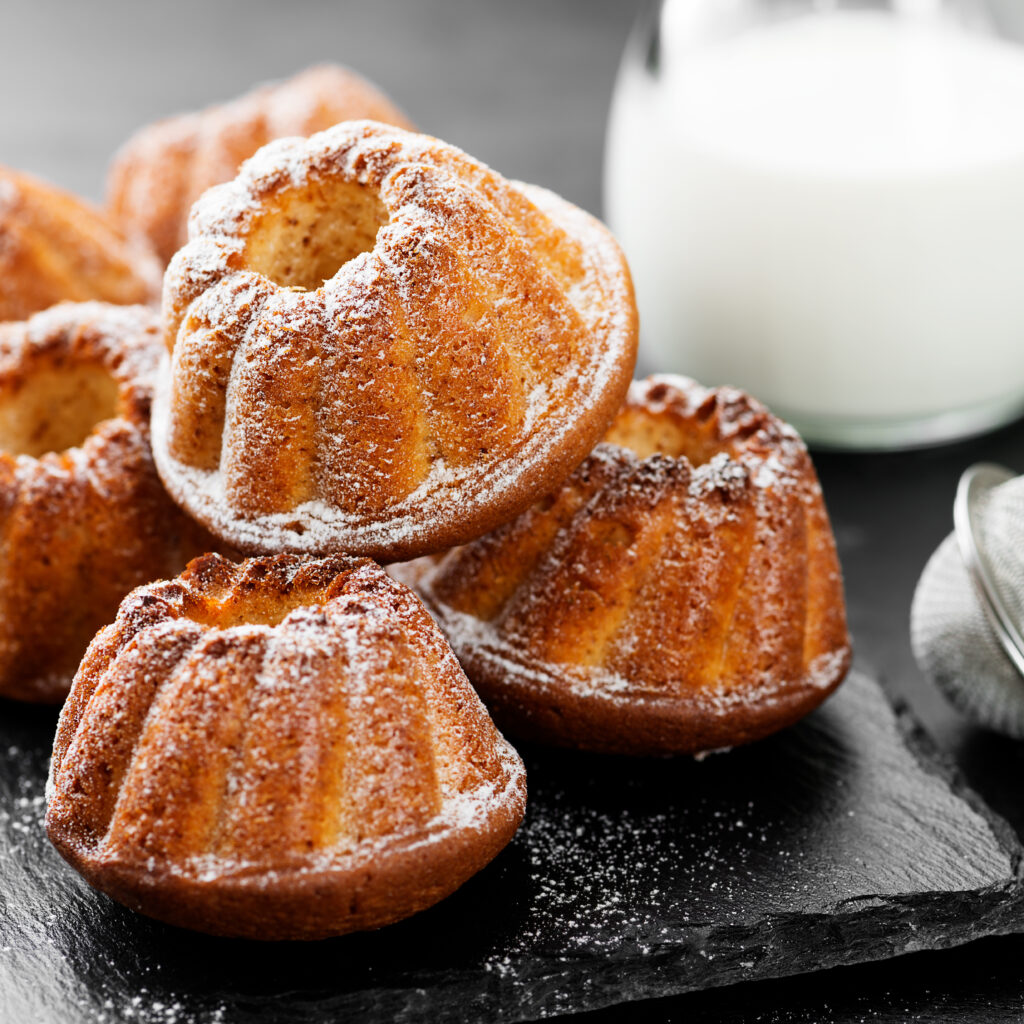
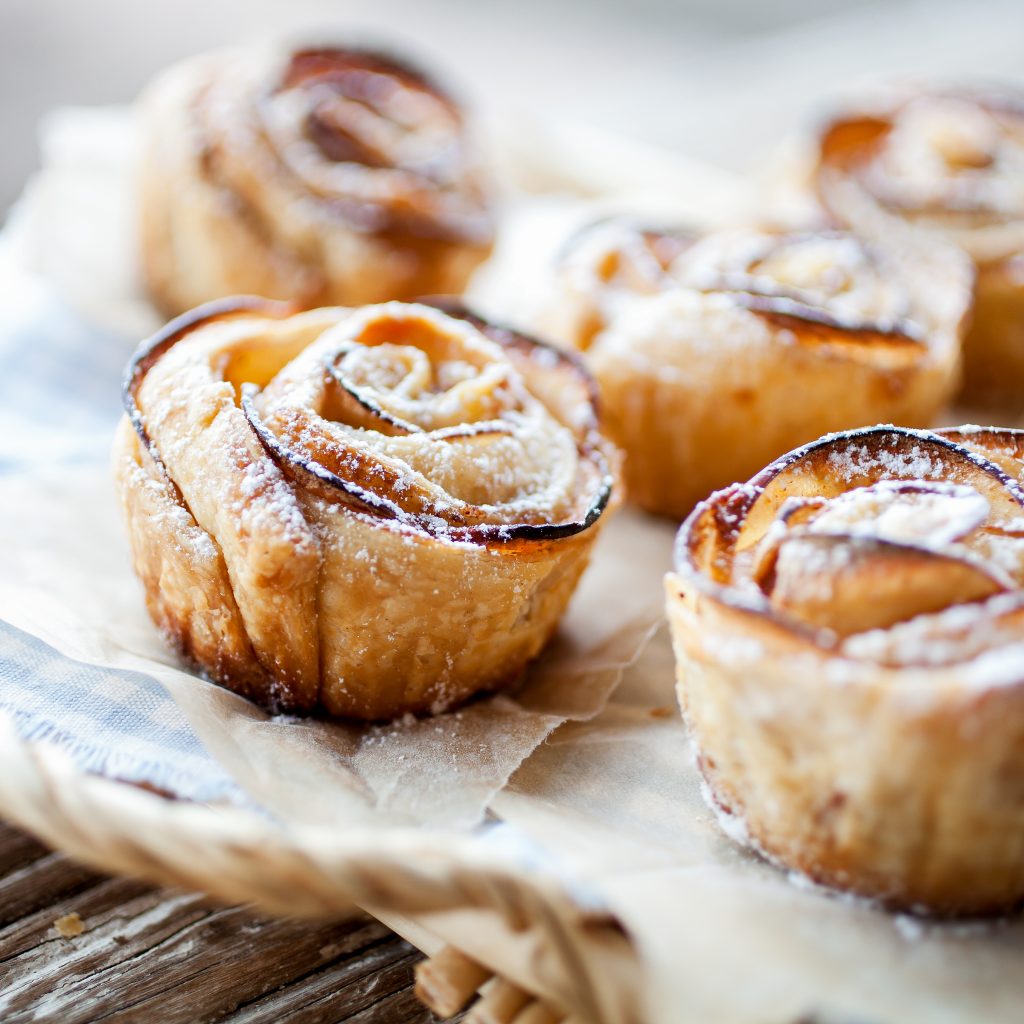
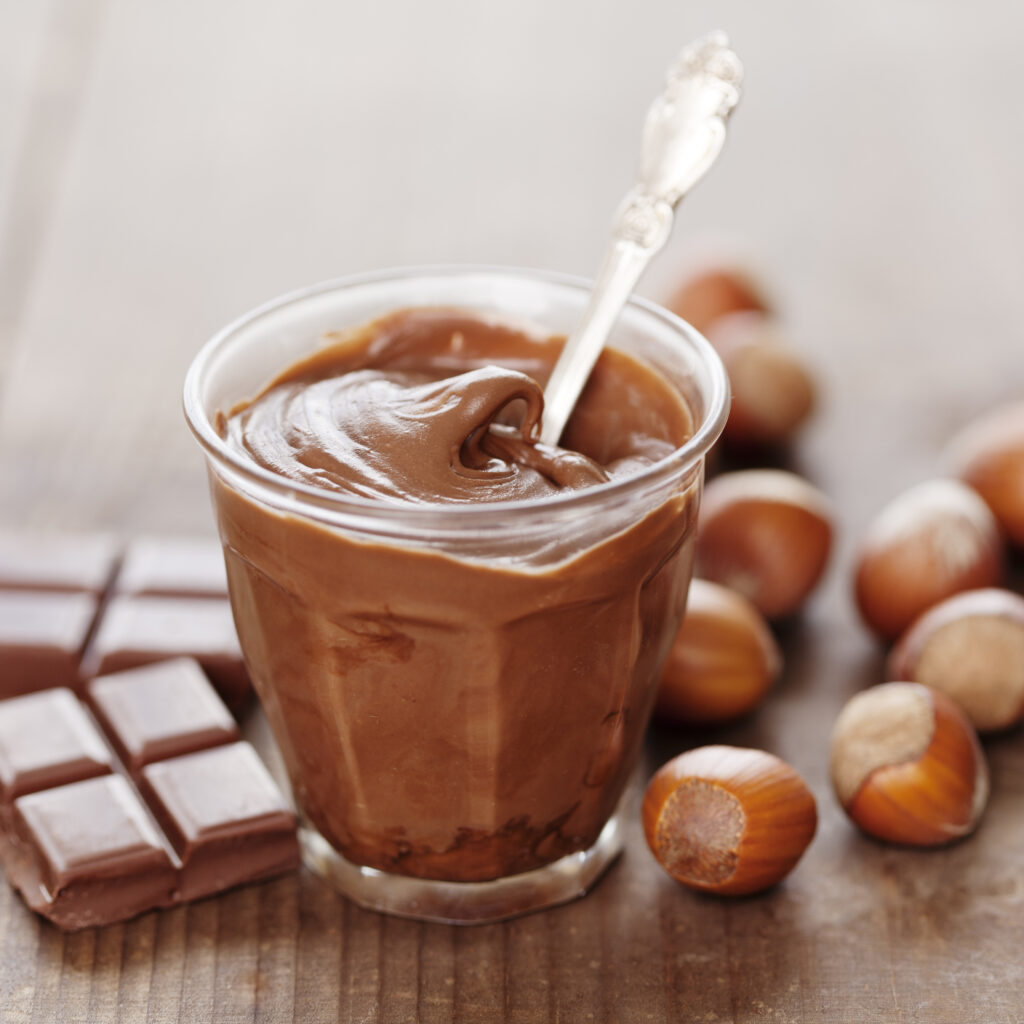
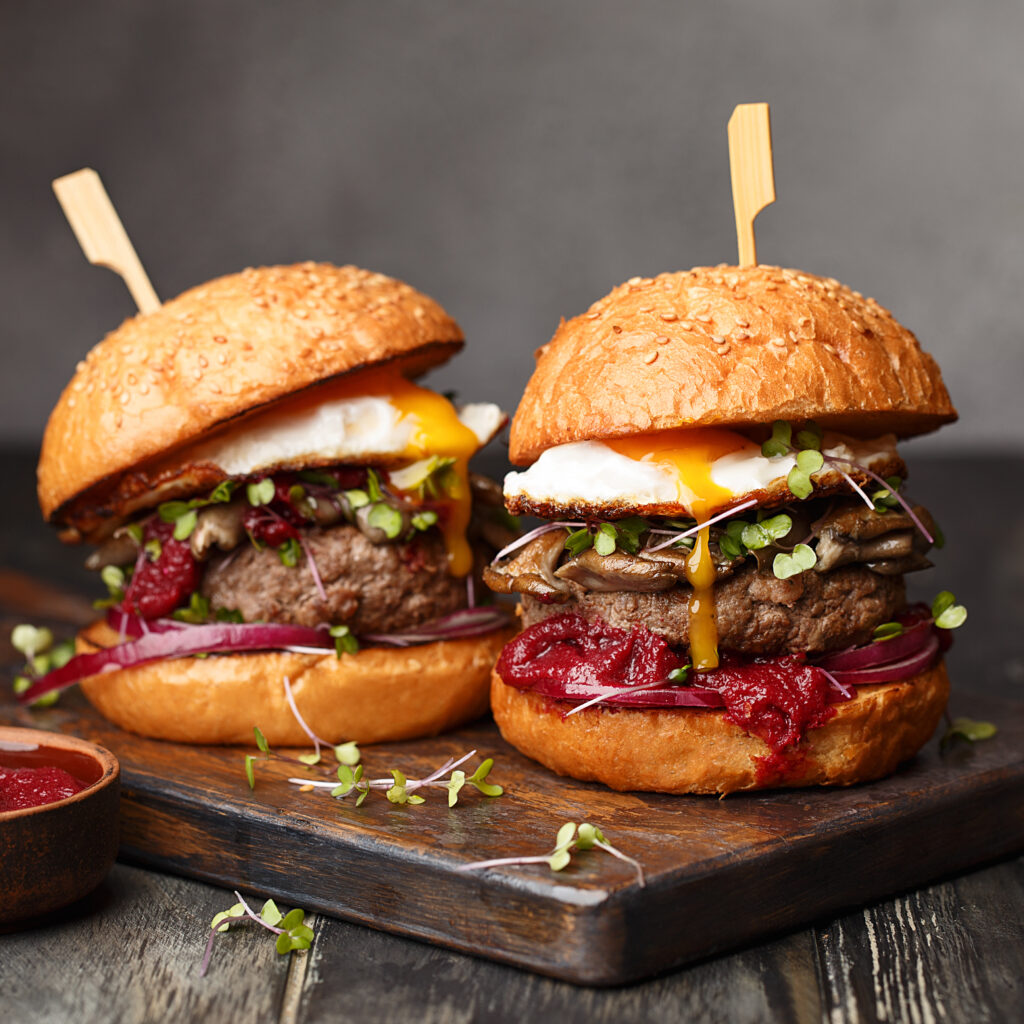
Due to the Maillard reaction or caramelisation, sugar also affects the colouring of a food or drink. The reactions can create a golden-brown colour in products and influence their appearance. Typical examples of this function of sugar are roasting and frying meat or French fries as well as the crust colour of baked goods (bread, brioche, pastries) or heating desserts, such as crème brûlée.
Brown Sugar, Candy Sugar, Candy Powder or Candy Syrup are sweetening solutions that are therefore also used for a wide range of applications at which the golden brownish colour is required, including confectionery, biscuits, cakes, marinades, sauces, but also alcoholic beverages such as beer.
Due to this property, sugar can contribute to the development of a golden-brown colour in foods and beverages and may reduce the need for added colourants, depending on the application. A range of colour intensity options is available for different applications in the baking, confectionery and beverage industries.
Texture and Volume
Sugar in Baking & Food Manufacturing
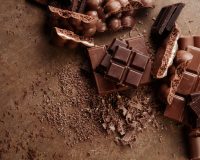
Sugar also serves as a bulking agent. It contributes to the texture, structure, and consistency of many foods, and influences ”mouthfeel“ – for example in baked goods or chocolate.
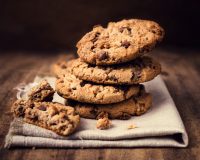
Besides providing sweetness in baked goods, sugar plays a role in the development of volume and dough structure, for example in bread and pastries.
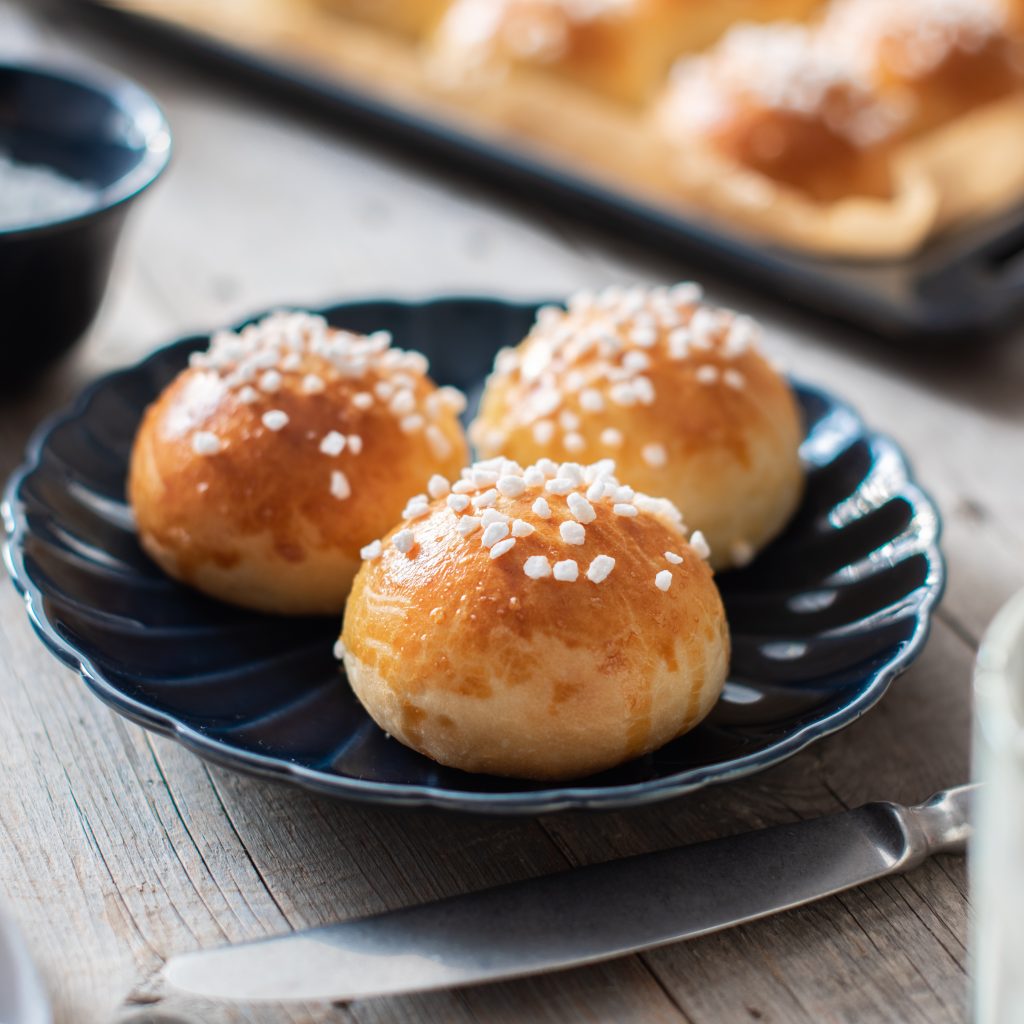
It supports a stable, flexible dough, a moist, fine pored crumb (the interior), and a crispy crust. Different effects can be achieved by varying the sucrose content or the kind of sugar used. Including pearl sugar in the recipe, for example, gives the crumb a crispy bite. Sugar can also contribute to activate the yeast and make the dough rise.
Sugar can affect the physical appearance of products through its functional properties.
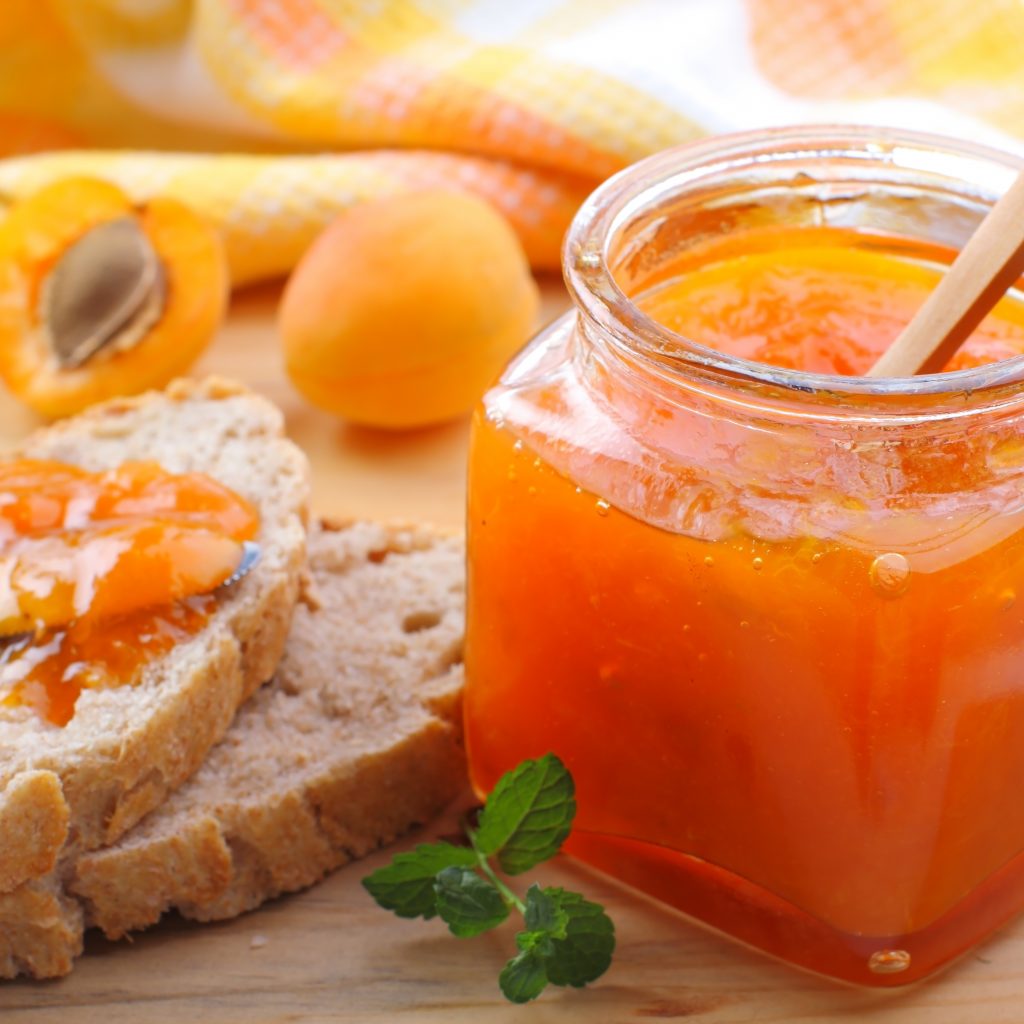
Many other prepared foods likewise owe their typical eating qualities to the sugar they contain; for example, sugar stabilises the stiffness imparted to foamed foods by proteins and enhances the setting of jams, jellies, and fillings.
In ice cream, small sugar molecules depress the freezing point and prevent the formation of large ice crystals and a coarse or icy mouthfeel. That’s how ice cream retains its pleasant melting property even at low temperatures.
Therefore, sugar’s contribution to bulk, texture and mouthfeel must be taken into account when reducing sugar in a formulation.
FOOD Preservation
and Shelf Life
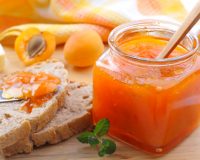
Sugar can contribute to food preservation and is used in products such as confectionery, jams, jellies, and marmalades.
Sugar can bind water in food, which would otherwise be available for the growth of pathogenic or spoilage microorganisms such as bacteria, fungi, or yeasts.
The so-called water activity is thus reduced, which can inhibit microbial growth and contribute to the shelf life of food products.
Concentrated sugar solutions with a dry substance content of more than 67% prevent the growth of most microorganisms. This property is used, for example, in the production of jams, sauces or pastries.
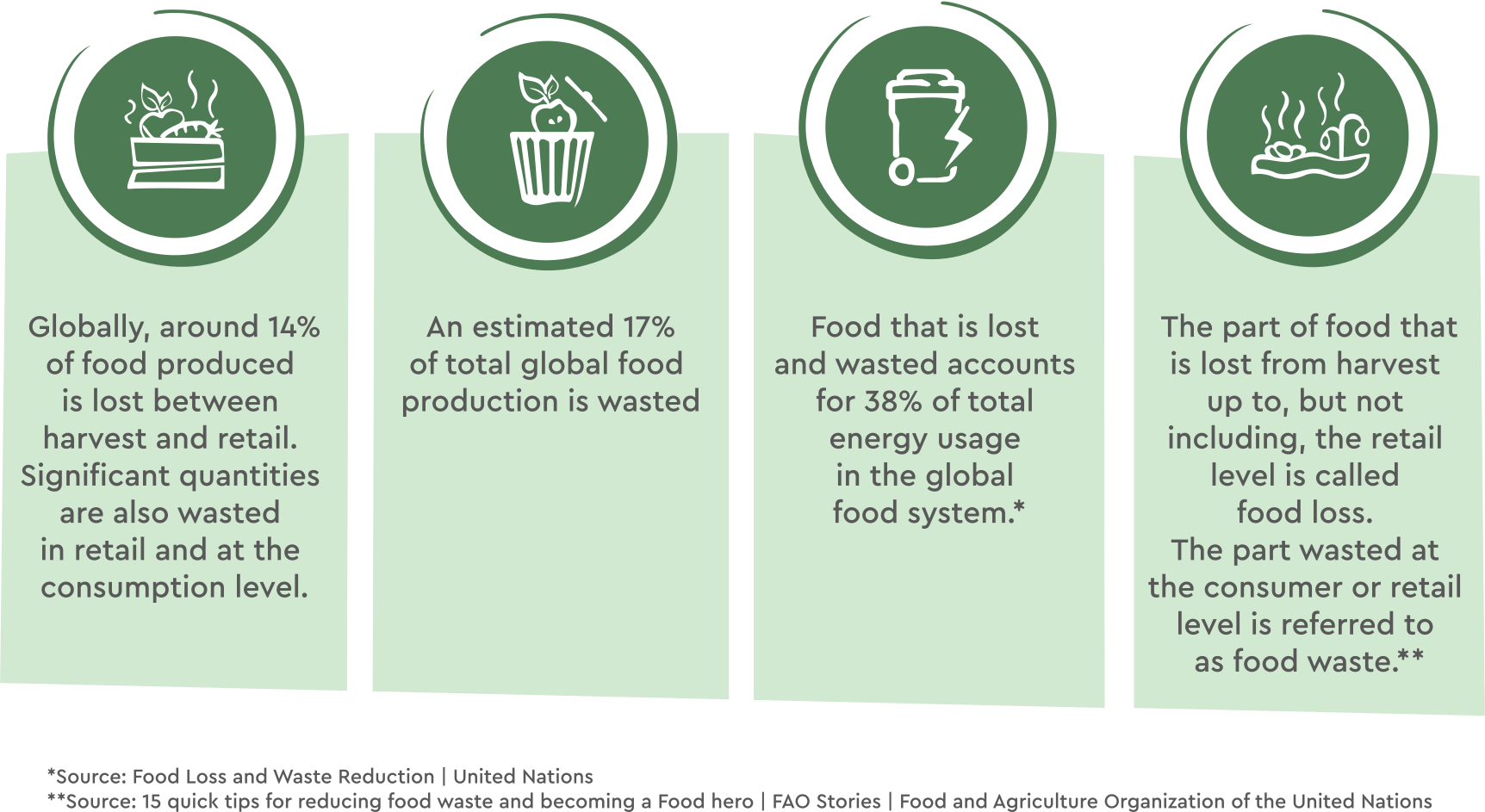
Bearing in mind the vast quantities of food wasted, preserving fruit and vegetables can help to avoid food waste. For this purpose, even overripe fruit can be used, even combined with vegetables.
Pharma Applications –
Sugar As An Excipient
Sucrose-based excipients are used in pharmaceutical products due to their properties, including purity and suitability for many common applications such as galenic liquids, compressed tablets, granules, powders, lozenges, coatings, and even pharmaceutical chewing gums.
They can serve various functions, including acting as a:
- Filler
- binder
- coating material
- anti-adherent (reducing stickiness)
One property of sucrose is its ability to mask unpleasant flavours of active substances in pharmaceutical products.
Sucrose-based excipients have technical properties such as processability, high solubility, product stability, fullness, texture, preservation and shelf-life extension, and are used as carriers for flowability.

SUGAR AS A SUBSTRATE FOR
MICROBIOLOGICAL PROCESSES
Sugar and dilute sugar solutions can serve as substrates for microbiological processes due to their functional properties.
In baking, for example, sugar may be needed to activate yeast and make the dough rise. In the brewing industry, it serves as a substrate for alcoholic fermentation.
Properties of Sugar
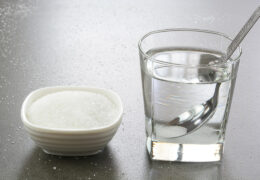
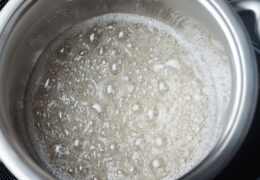
Sugar dissolves readily in water. Its solubility is between that of glucose and fructose and varies with the temperature.
It is greater at higher temperatures, which means the crystals dissolve more quickly. The crystal size also influences the speed of dissolution.
Small crystals dissolve faster than large ones, provided the individual crystals do not agglomerate and form less soluble lumps. This can happen with icing sugar, for example.
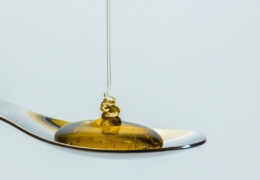
At 20 °C, a sugar solution containing 66.5 % dry substance has a viscosity of about 200 mPa · s.
The viscosity increases with increasing concentration and decreasing temperature.
Sugar solutions have a much lower viscosity than glucose syrups, for example.
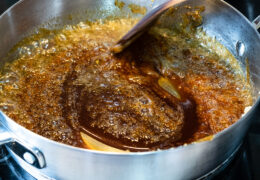
White, crystalline sugar melts over a temperature range from 185-189 °C.
By heating sugar above its melting point, one obtains golden-yellow to intense brown caramelized sugar.
The colour obtained will depend on the temperature.
Sugar is only slightly hygroscopic. At 20 °C, there is no pronounced water uptake until the relative humidity exceeds 65 %.
Thus, sugar products should always be stored in specific conditions, not exceeding certain temperatures and humidity levels.
In conclusion, sugar serves multiple functions in foods, beverages and non-food applications. Thanks to its diverse functional properties, sugar from sugar beet can be used in a wide range of applications across the food, beverage, animal feed and pharmaceutical industries.
Do you want to know more about our range of sugars and specialty product solutions? Do you need support in selecting the right solution for your application?